Program and Construction Management for Groundbreaking Aviation Infrastructure
At Dallas Fort Worth International Airport (DFW), innovation is redefining how major aviation facilities are delivered. As a joint venture partner with HNTB, KAI 360 CS provides Program Management services for DFW’s Central Terminal Area Expansion Program, helping oversee the planning, coordination, and execution of some of the largest and most complex modular construction operations ever undertaken at a U.S. airport.
Drawing on more than 20 years of service to DFW and experience on more than a dozen airport projects, KAI has helped DFW use modular construction to shorten construction schedules, limit disruption to airport operations, and improve site safety as the airport expands capacity for millions of travelers each year.
Leading a New Era of Modular Aviation Construction
KAI’s modular construction experience at DFW began with the successful delivery of the High C gate area expansion in 2022. The project established a proven framework for integrating prefabricated construction into an active airport environment and positioned the HNTB–KAI team as a trusted advisor for future terminal expansion initiatives.
The lessons learned from High C informed the delivery of the much larger and more complex Terminal C expansion and continue to guide the development of Terminal F. With each project, KAI has helped refine construction sequencing, stakeholder coordination, operational planning, and risk management for large-scale modular construction.
Terminal C Expansion: Delivering Complex Infrastructure with Minimal Disruption
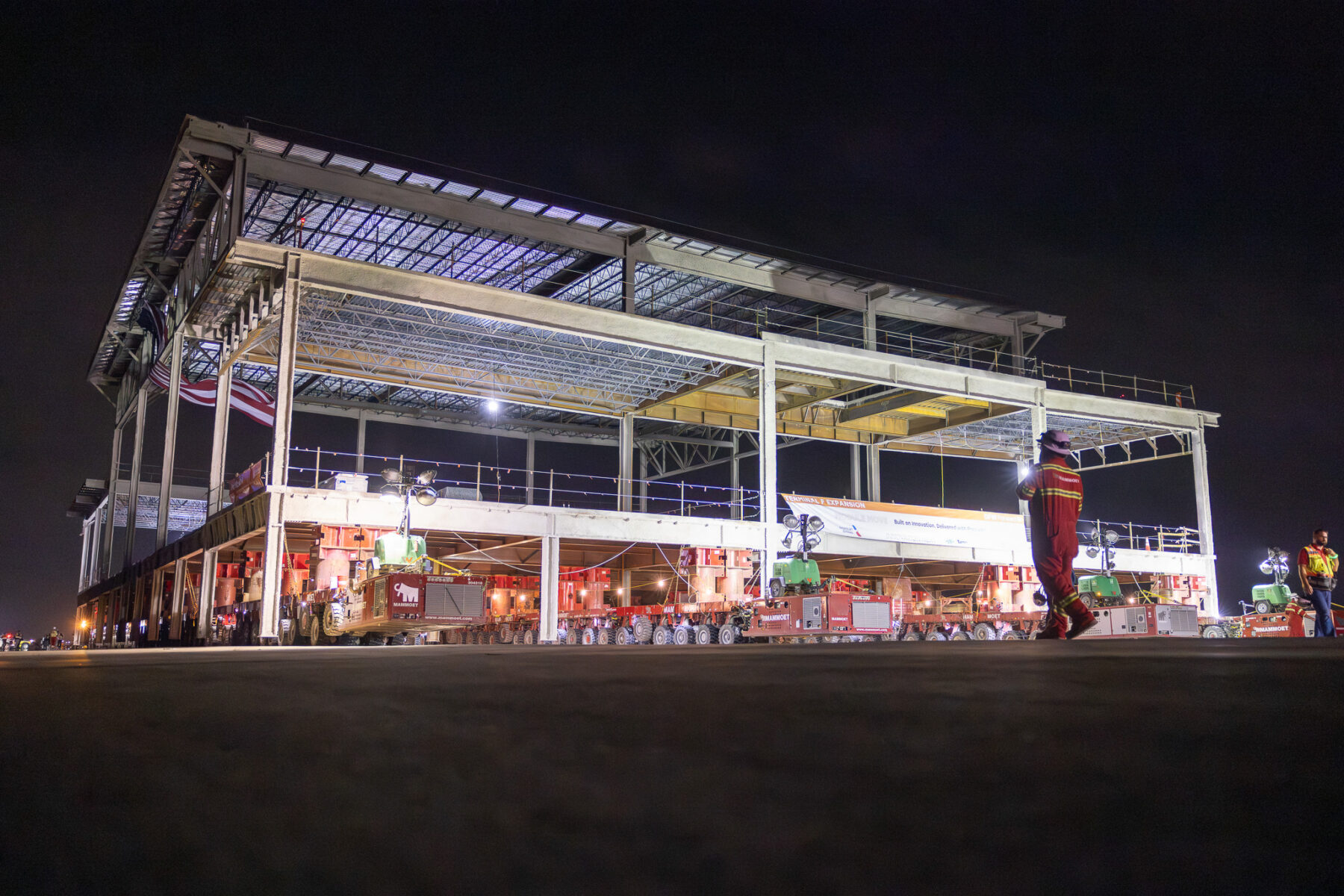
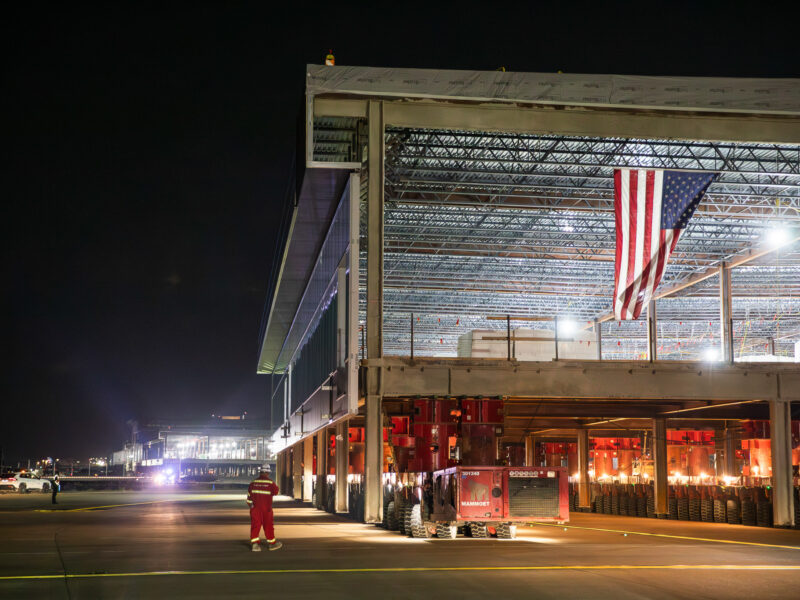
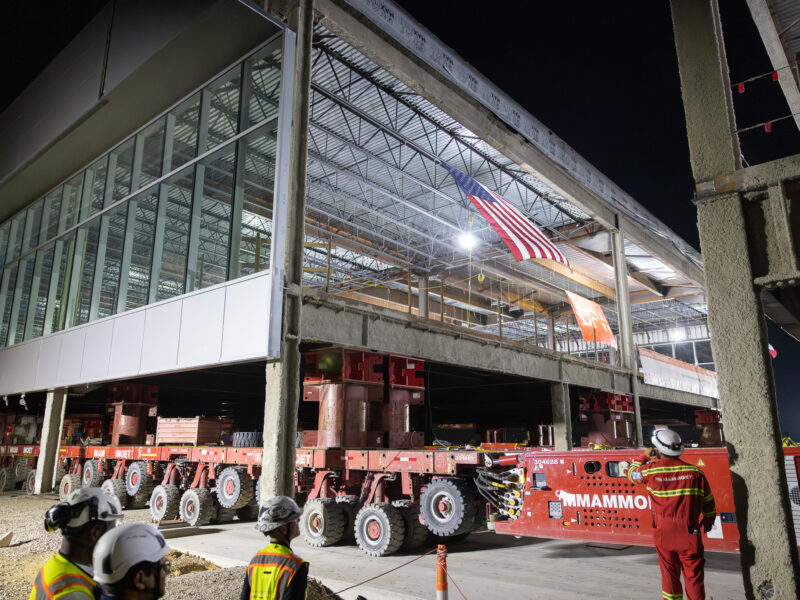
A major milestone in the redevelopment of Terminal C occurred in April 2025, when crews transported and installed six massive modular concourse components over a 15-day period. The largest module measured 204 feet long by 68 feet wide and weighed approximately 1,200 tons. The expansion was designed to add nine gates and support DFW’s long-term growth.
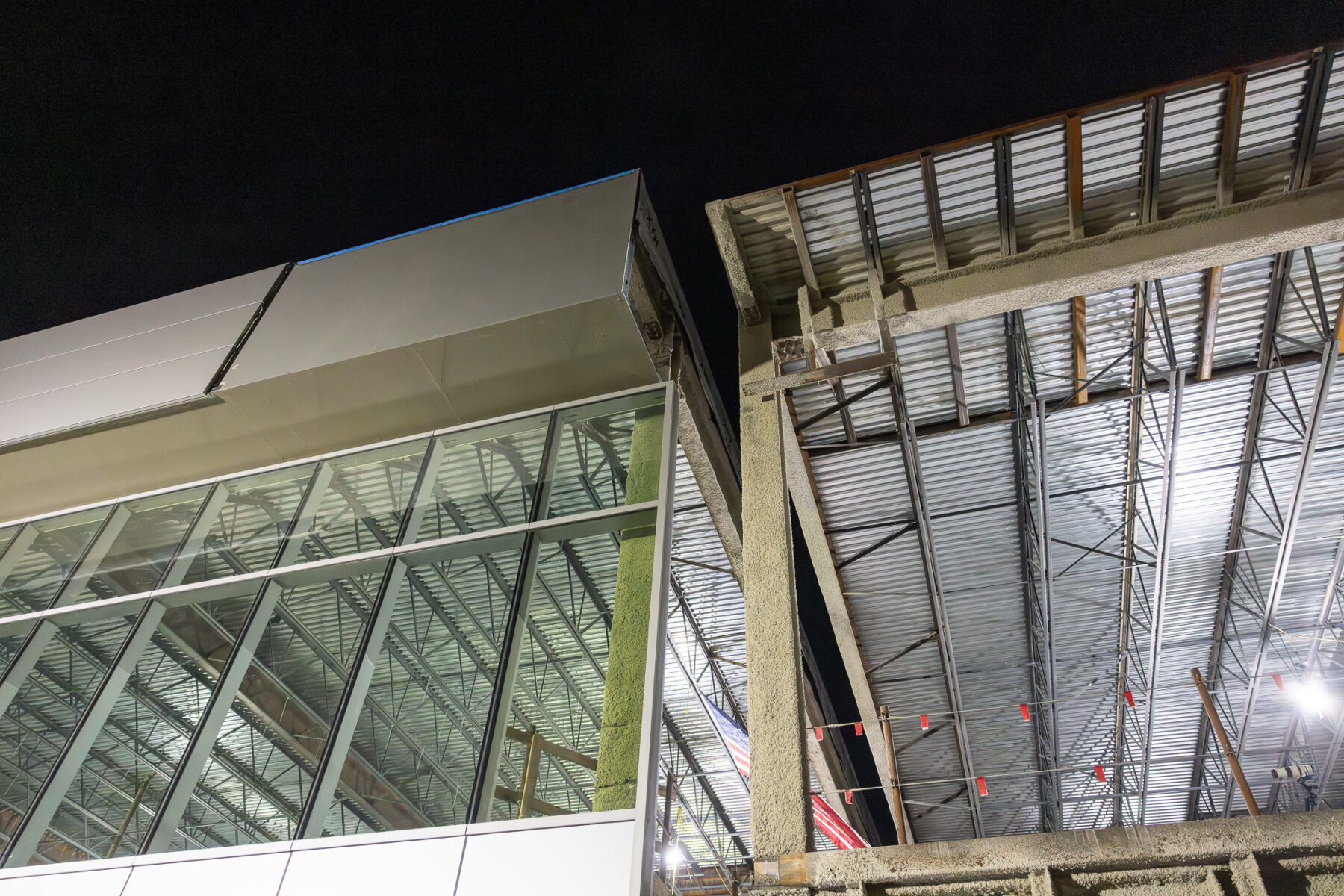
As part of the HNTB–KAI joint venture, KAI provided program and construction management oversight for this highly coordinated operation. Crews built the modules at a separate fabrication site, where they could install mechanical, electrical, plumbing, and fire protection systems before transport. This approach significantly reduced construction activity at the terminal site, compressed schedules, and improved quality control.
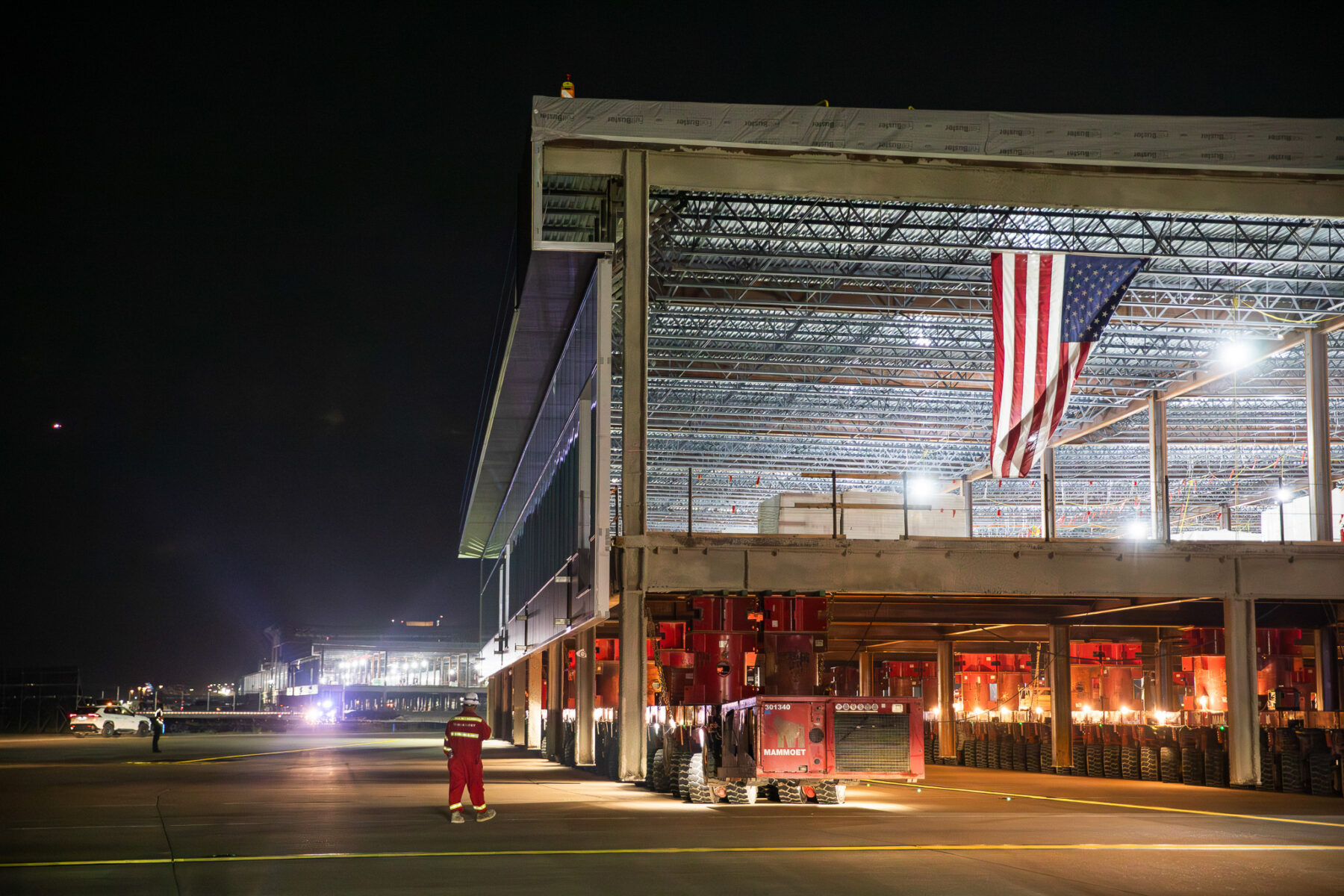
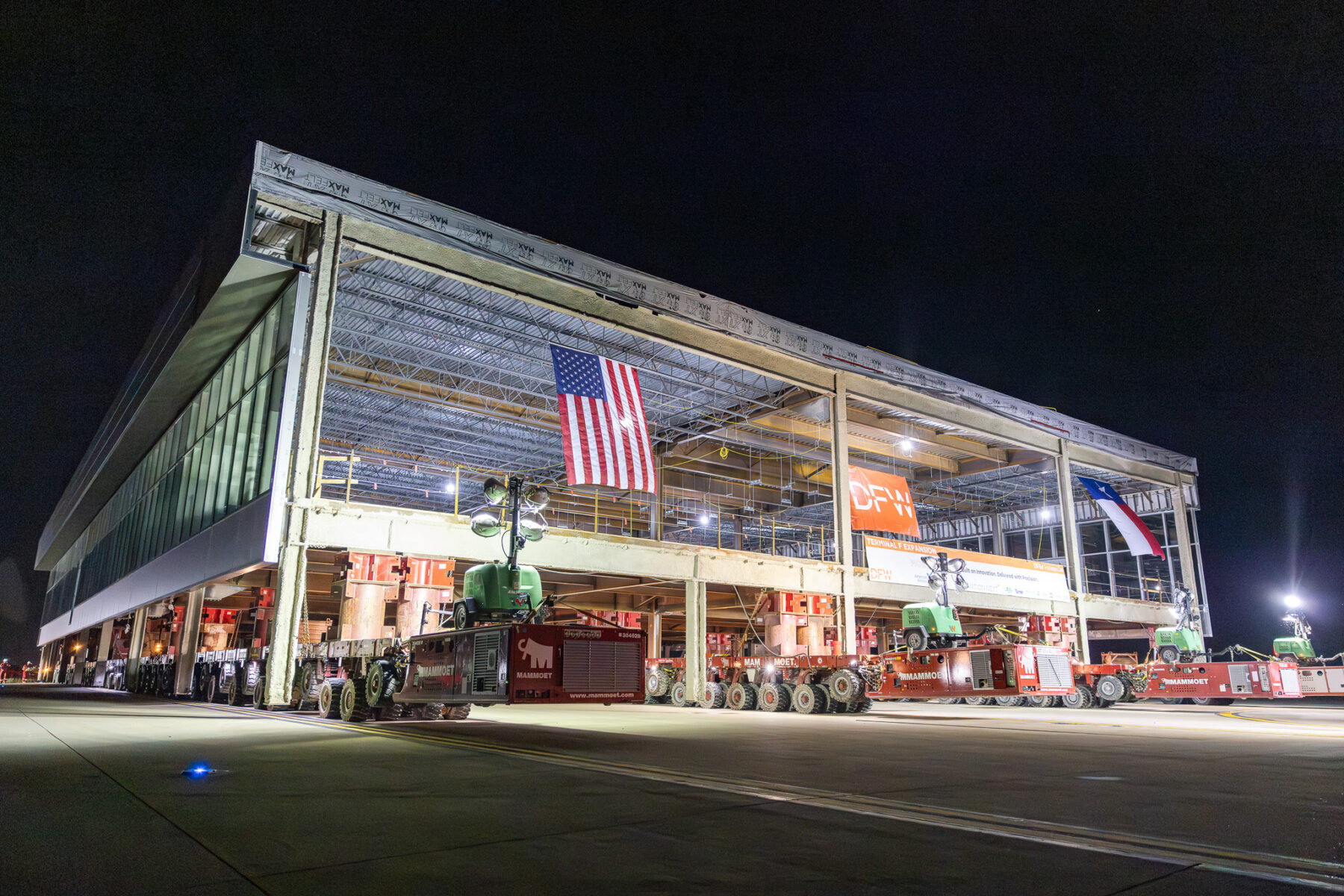
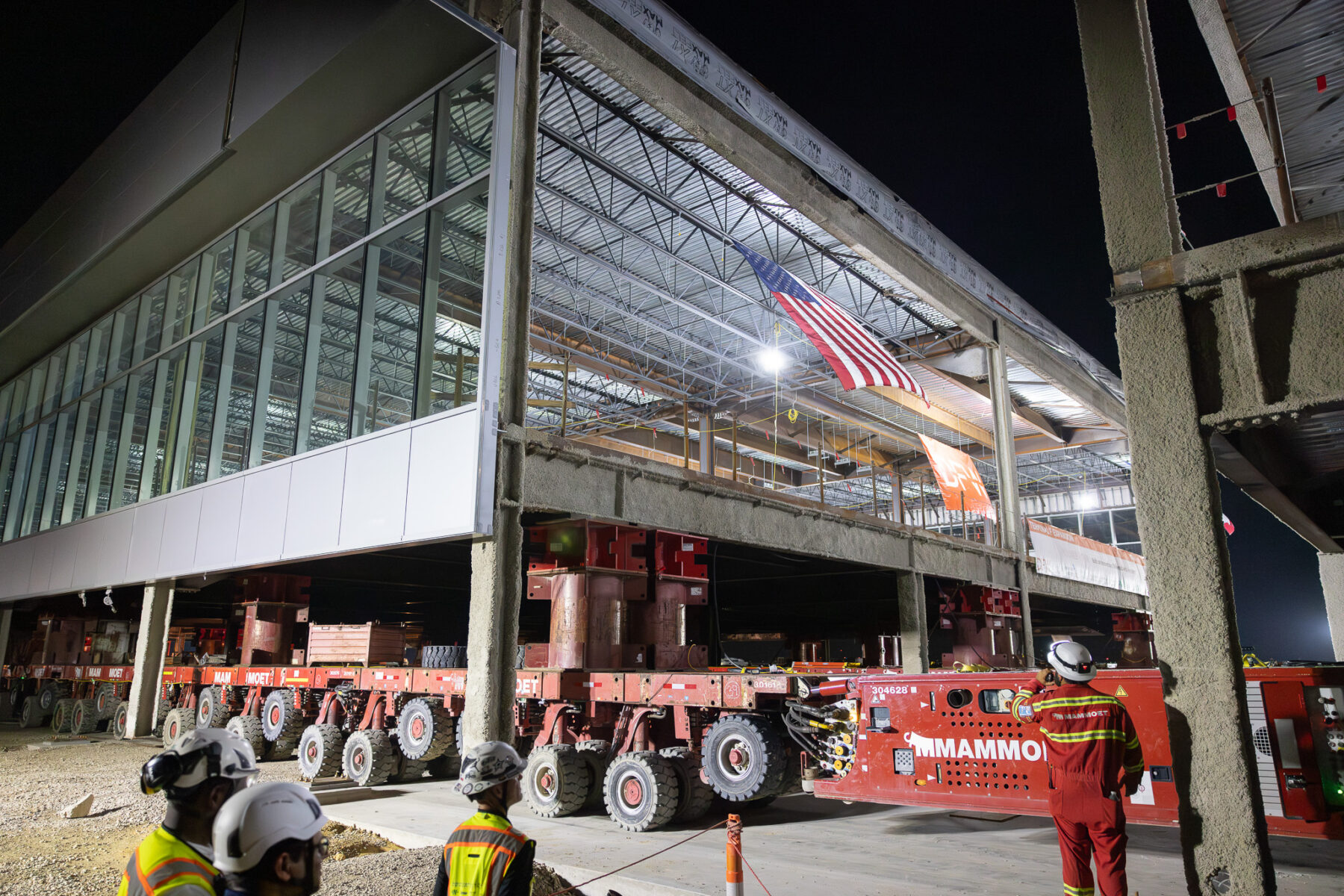
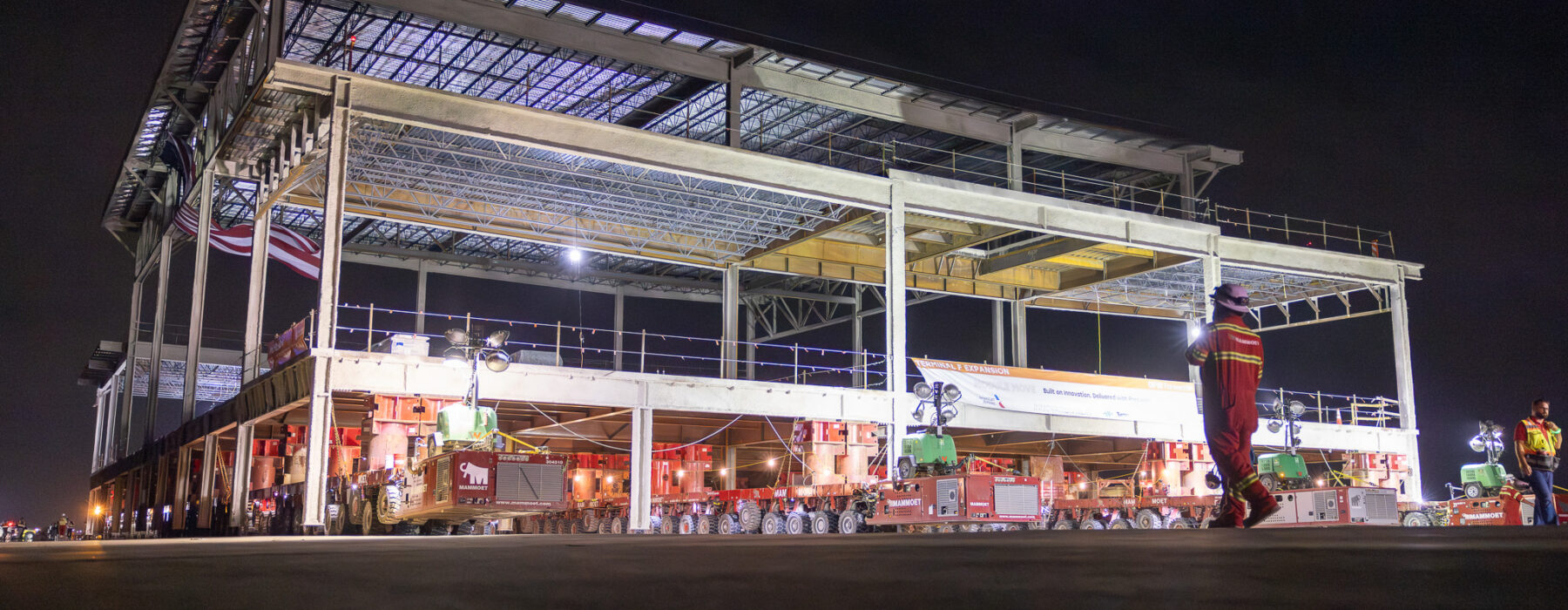
To minimize disruption to airport operations, crews moved the structures across the airfield during planned overnight closures using self-propelled modular transporters. Throughout the process, KAI helped coordinate stakeholders, monitor schedule performance, and manage risks, working closely with contractors, airport operations personnel, designers, and construction teams.
The result was a safer, faster, and more efficient delivery method that kept the airport operating while advancing one of DFW’s most significant terminal modernization projects.
Terminal F: Scaling Modular Construction to Historic Proportions
Following the success of Terminal C, DFW expanded its use of modular construction for the first phase of Terminal F. In August 2025, crews completed the placement of six prefabricated modules that form the structural framework for the terminal’s first phase. According to DFW Airport, the Terminal F modules were approximately four times larger than those used for the Terminal C expansion.
Crews built the modules at a separate fabrication site and transported them overnight using self-propelled modular transporters. Once the structures reached the Terminal F site, crews positioned them on prepared foundations so construction could proceed to the next stage.
As part of the HNTB–KAI joint venture providing program management services, KAI worked with HNTB and DFW leadership to support the planning, coordination, and execution of the operation. The team applied lessons from earlier modular projects to manage transport logistics and construction sequencing, coordinate communication among stakeholders, and account for operational constraints and safety requirements. The team also integrated the moves into the broader terminal construction schedule.
By building the modules at a separate fabrication site, DFW reduced the amount of construction work near active terminal operations. This approach helped accelerate construction while minimizing disruption for passengers, airlines, and airport personnel.
Construction Management Expertise That Delivers Results
Moving entire sections of a terminal across an operating airfield requires disciplined planning, close coordination, and experienced construction management. Teams must align fabrication, transport, and installation with the needs of an airport that continues to serve passengers and airlines throughout construction.
Through its joint venture with HNTB, KAI has helped DFW implement modular construction methods that shorten construction schedules, improve site safety, limit operational disruption, and make project delivery more predictable. The knowledge gained from each successive project strengthens DFW’s ability to deliver major terminal infrastructure faster and more efficiently than traditional construction methods allow.
KAI continues to support DFW’s expansion, helping the airport build capacity for future growth while establishing new benchmarks for modular construction in the aviation industry.
(All photos courtesy of dfwairport.com/dfwnewsroom/)
- Services
-
Program Management
“By embracing modular construction, we are finding smarter ways to deliver results faster, with less impact on travelers.”
The Impact
Terminal C & F Take Shape in a Record-Breaking Move
Over two weeks of overnight shifts, crews moved six prefabricated Terminal F modules across DFW Airport’s taxiways to their permanent home at the south end of the airport, the largest modules ever moved for an airport terminal expansion. The largest measured 278 feet by 136 feet and weighed 3,320 tons, roughly the weight of 12 wide-body aircraft. Careful coordination with airport operations allowed the crews to move entire sections of the new terminal into place while DFW remained operational.