New state-of-the-art facility supports coordinated emergency response and public safety operations
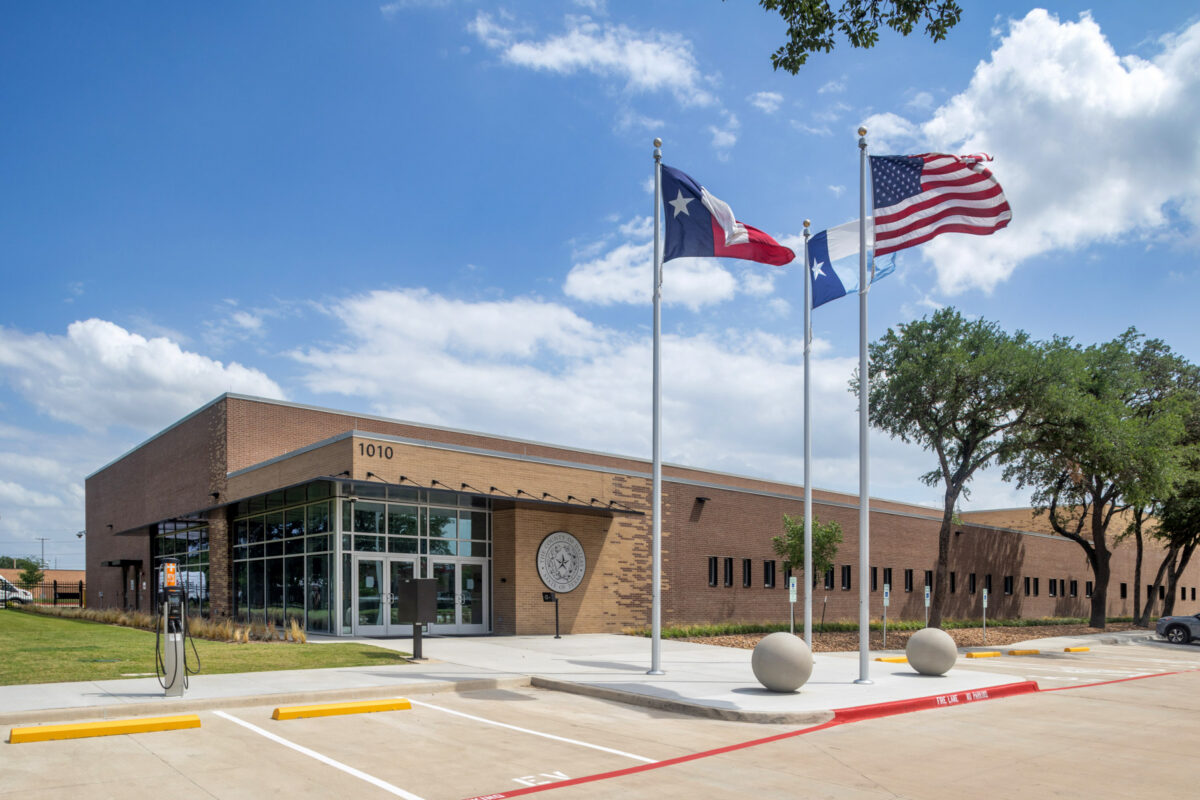
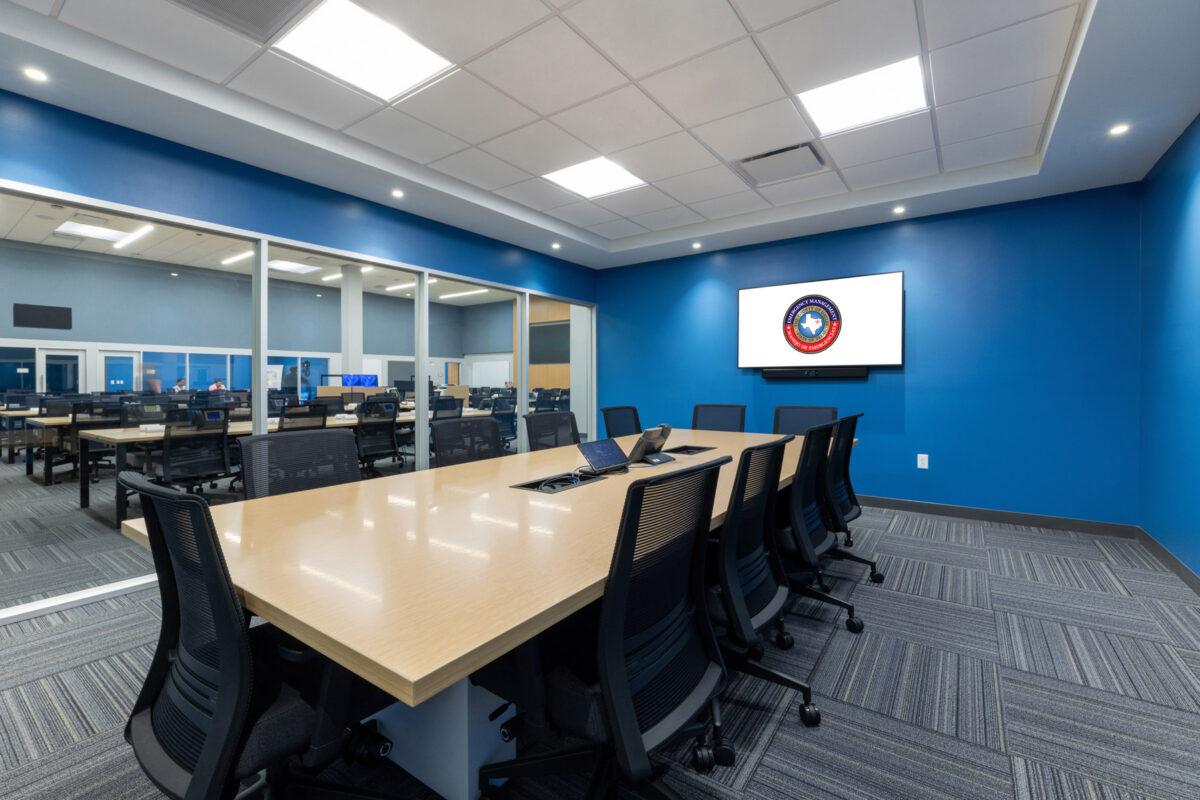
The KAI-designed Dallas County Emergency Operations Center (EOC) is already fulfilling its mission as the host site for the FIFA World Cup 2026™ Joint Operations Center (JOC), serving as a central hub for approximately 200 federal, state and local public safety, emergency management and transportation personnel supporting tournament operations across North Texas.
KAI provided architecture, interior design and mechanical, electrical, plumbing and fire protection engineering on the $26.2 million facility, which supports coordinated emergency response efforts during the region’s most critical events. A ribbon-cutting ceremony marking the facility’s completion was held June 10.
The facility’s first operational deployment brings together law enforcement, fire, emergency management, transportation and federal agencies in a single location to coordinate public safety efforts during one of the largest international sporting events in history.
“With FIFA World Cup 2026™ activities taking place across North Texas, this facility serves as a centralized operations hub, providing first responders, staff and public officials with the infrastructure, technology and coordination space needed to support one of the largest public safety operations in the region’s history,” said KAI President Darren L. James, FAIA, NOMA, NCARB. “The new EOC marks a significant step forward for public safety and community resilience in North Texas and represents a major advancement in regional emergency preparedness and response.”
Advanced Technology for Community Emergency Services
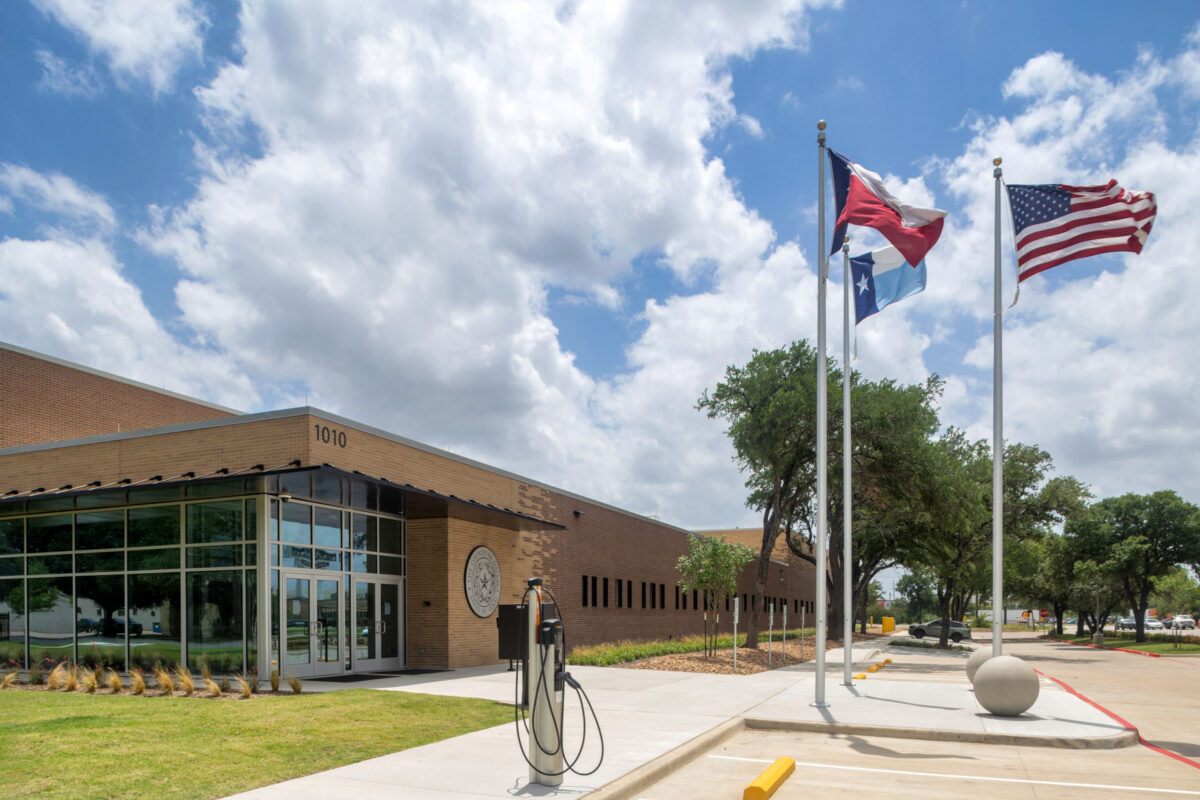
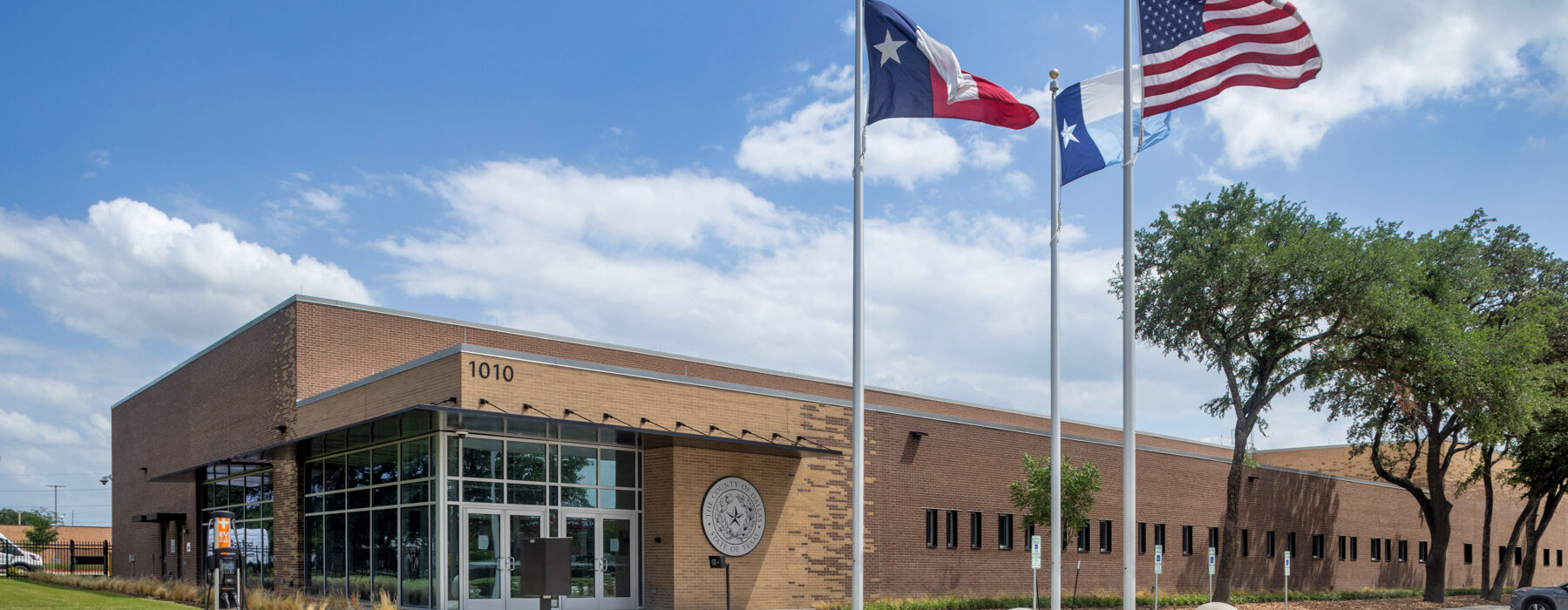
The Dallas County Office of Homeland Security and Emergency Management (HSEM) oversees the 39,000-square-foot center at Highway 183 and Mockingbird Lane. HSEM also manages a countywide emergency management program that protects the 2.6 million residents and 31 cities in Dallas County. The EOC will support coordination among more than 30 local, state and federal agencies across a broad network of public safety, emergency management and governmental agencies.
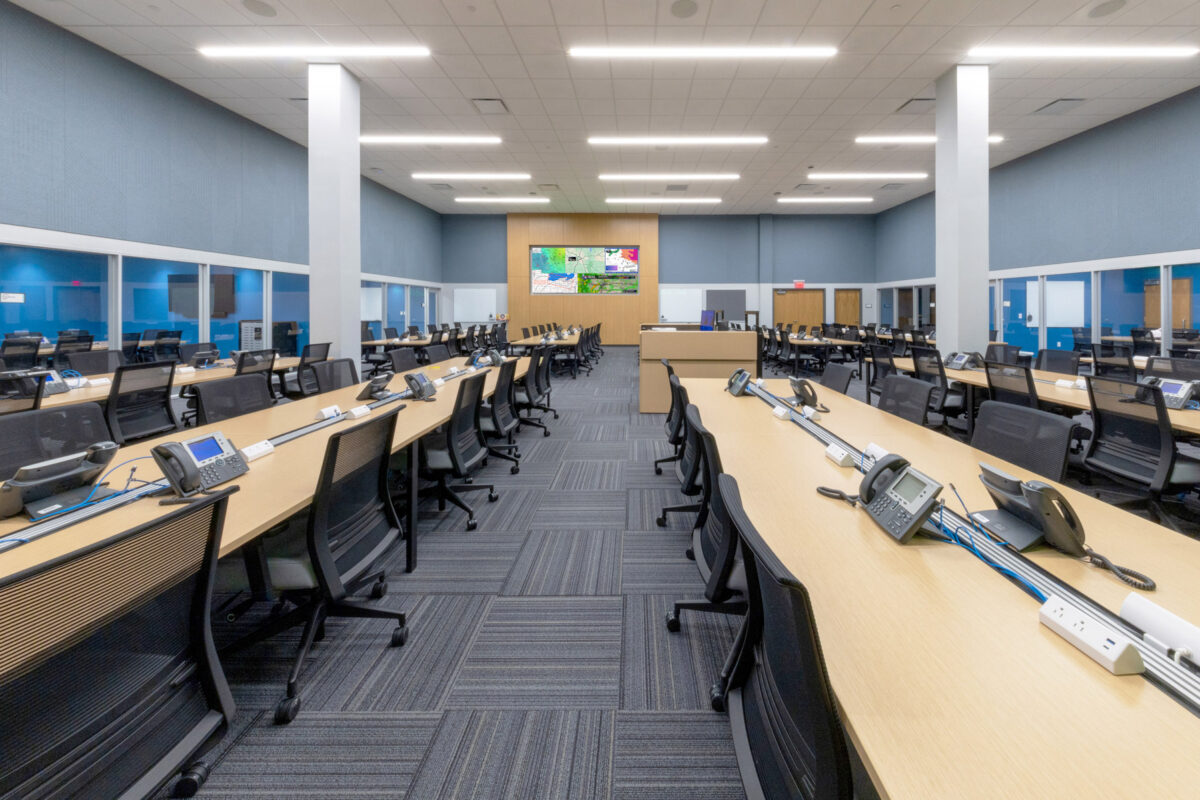
“This facility was designed as the nerve center for Dallas County emergency operations, bringing decision-makers together in a purpose-built environment that supports clarity, speed and decisive action during critical events,” said Derwin Broughton, AIA, NOMA, NCARB, WELL AP, Vice President and Senior Principal at KAI, who served as project executive and architect for the project. “From its hardened structure and technology-rich emergency operations center to its flexible support spaces and restorative areas for staff, every element was designed to strengthen interagency coordination and support large-scale response efforts when they matter most.”
The facility advances the capabilities of the county’s emergency management team and provides the space, systems and infrastructure needed to support large-scale response operations during natural and man-made disasters and public safety threats. Design features of the new facility include:
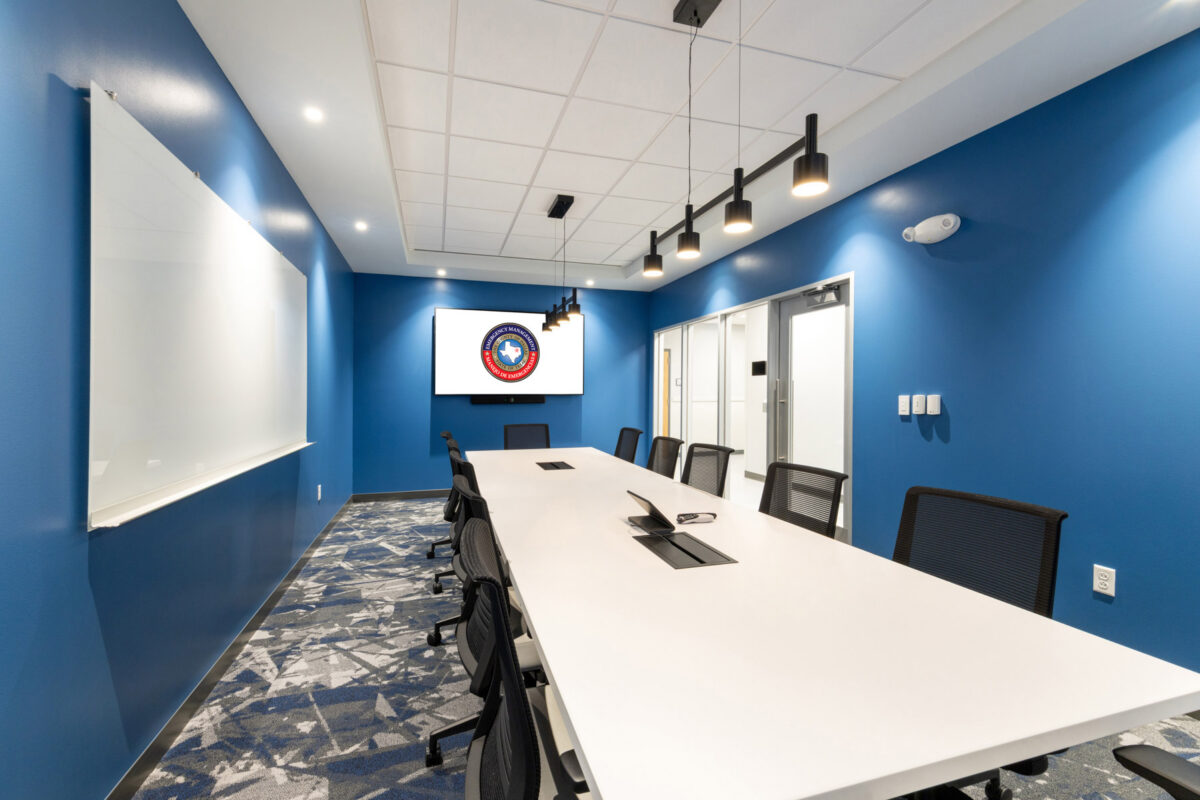
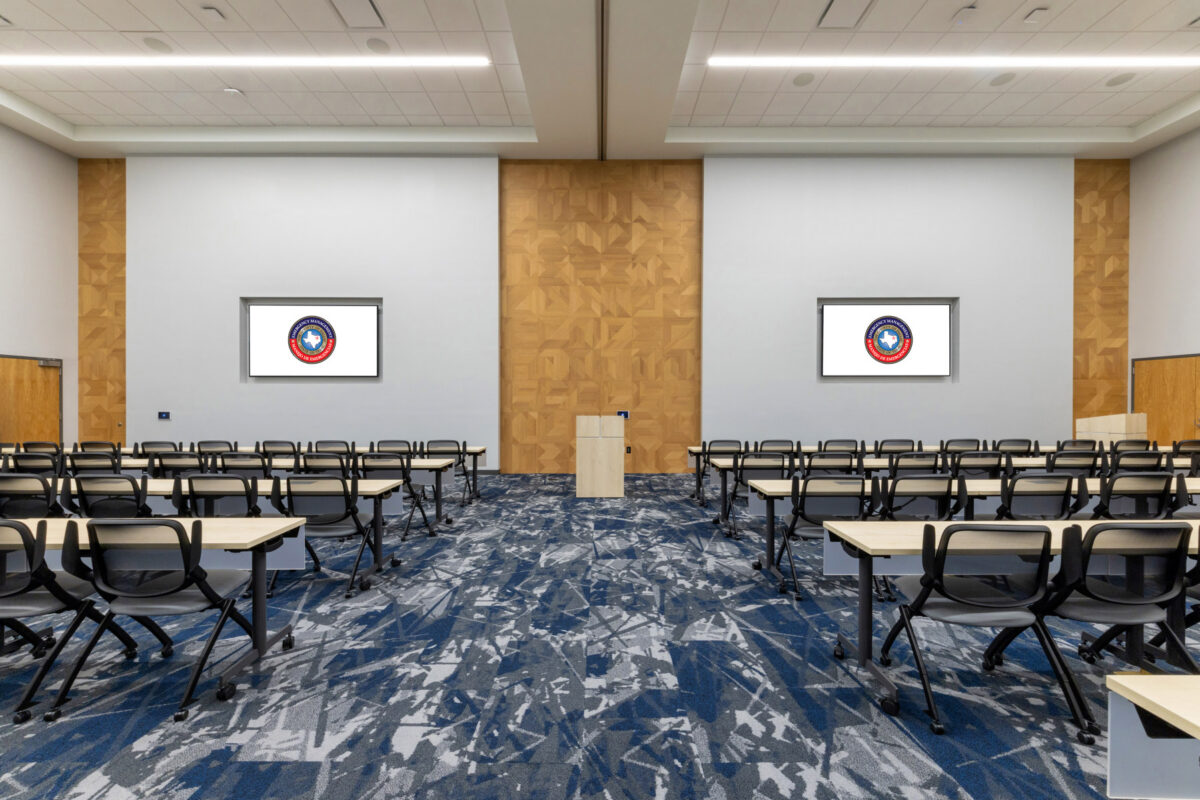
- Emergency Operations Center with associated planning and breakout space
- Administrative space for full-time HSEM staff
- Workspace for the county judge, officials and agency partners
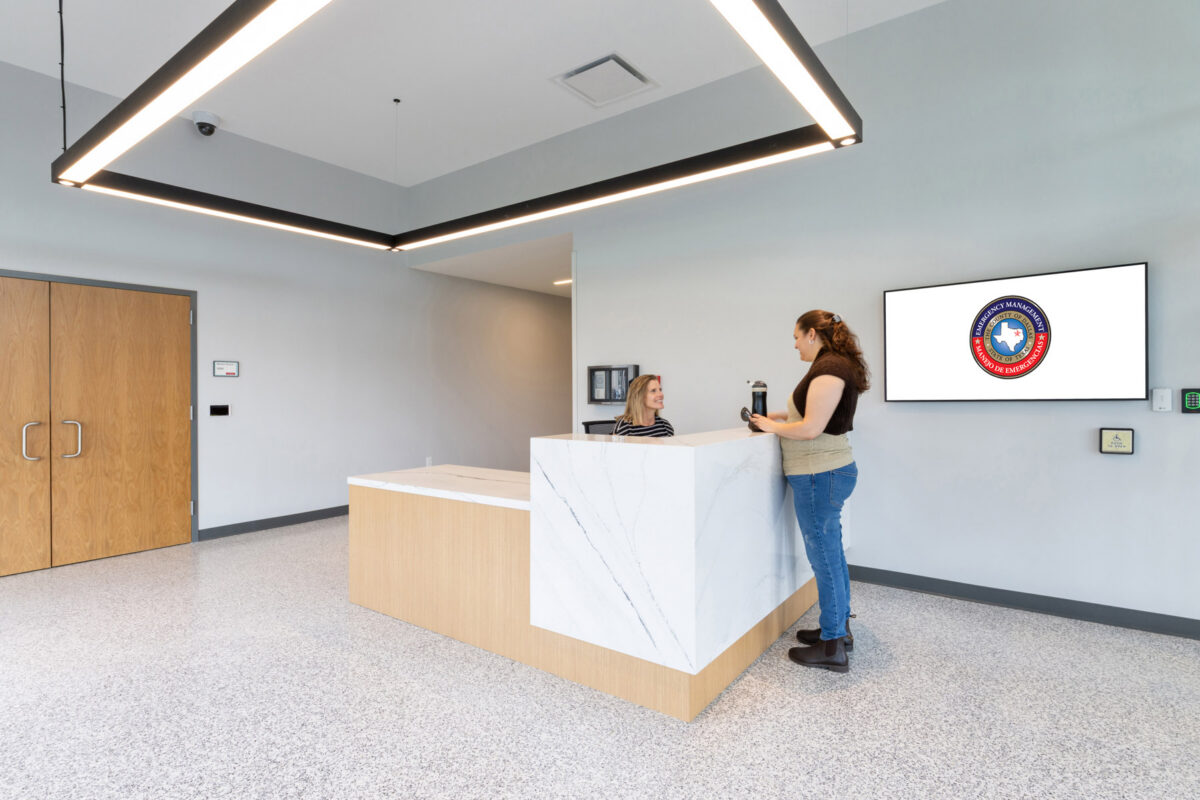
- Media, public briefing and training rooms
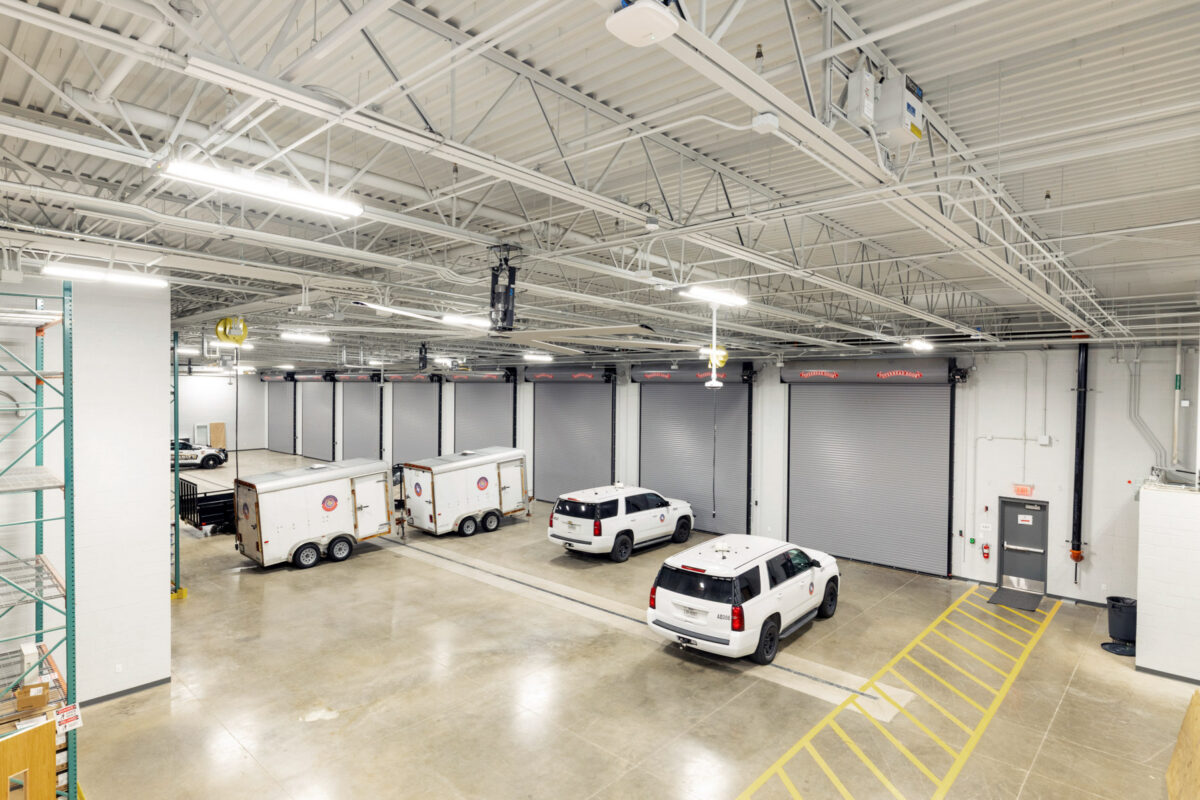
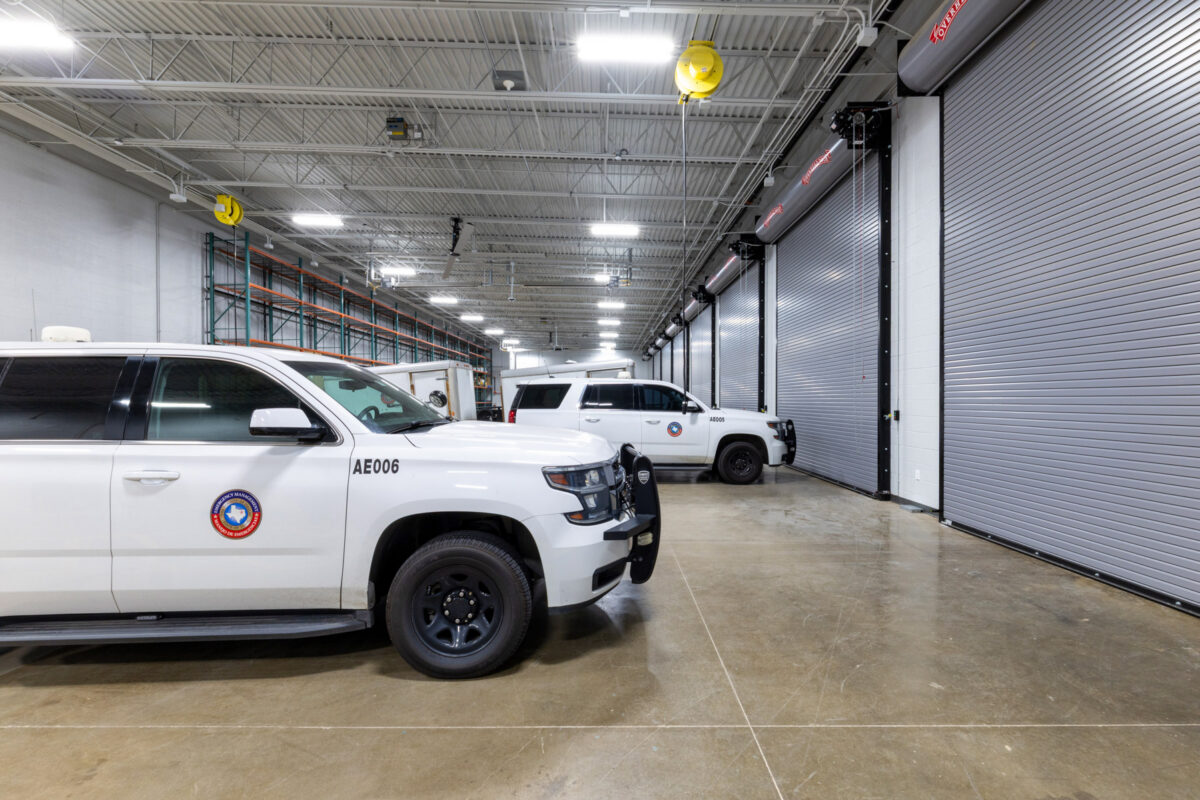
- Warehouse space for emergency supplies, equipment and apparatus
- Shared spaces, including break rooms, a fitness area and a quiet room
- Hardened building infrastructure designed to support continuity of operations
- Data, telecommunications and radio communications infrastructure
Engineered for Maximum Resilience
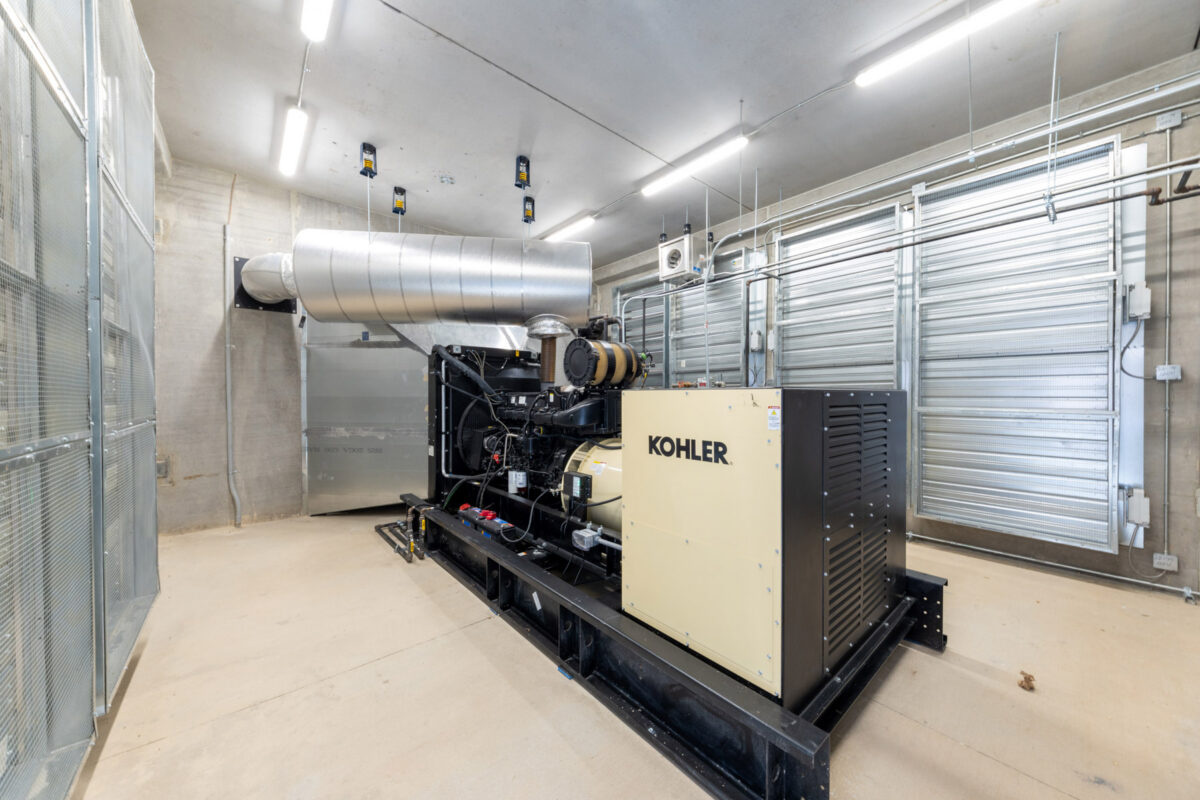
KAI’s Engineering team designed the EOC to maintain full operational continuity for at least five days during disasters and emergency events, far exceeding both the minimum duration required by code and the 72-hour minimum often cited as a best practice for emergency operations facilities. Constructed in accordance with ICC 500-2020 storm shelter standards, the building is also capable of withstanding wind and wind-borne debris impact loads of 250 mph.
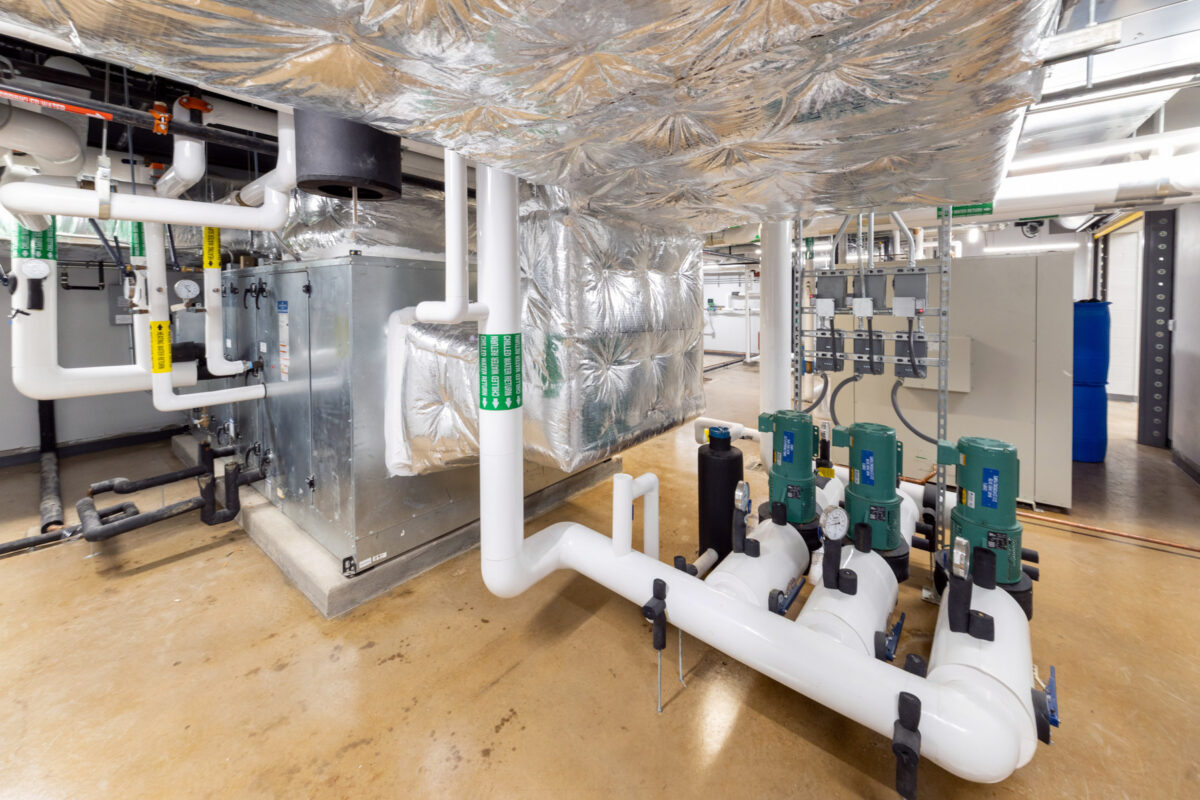
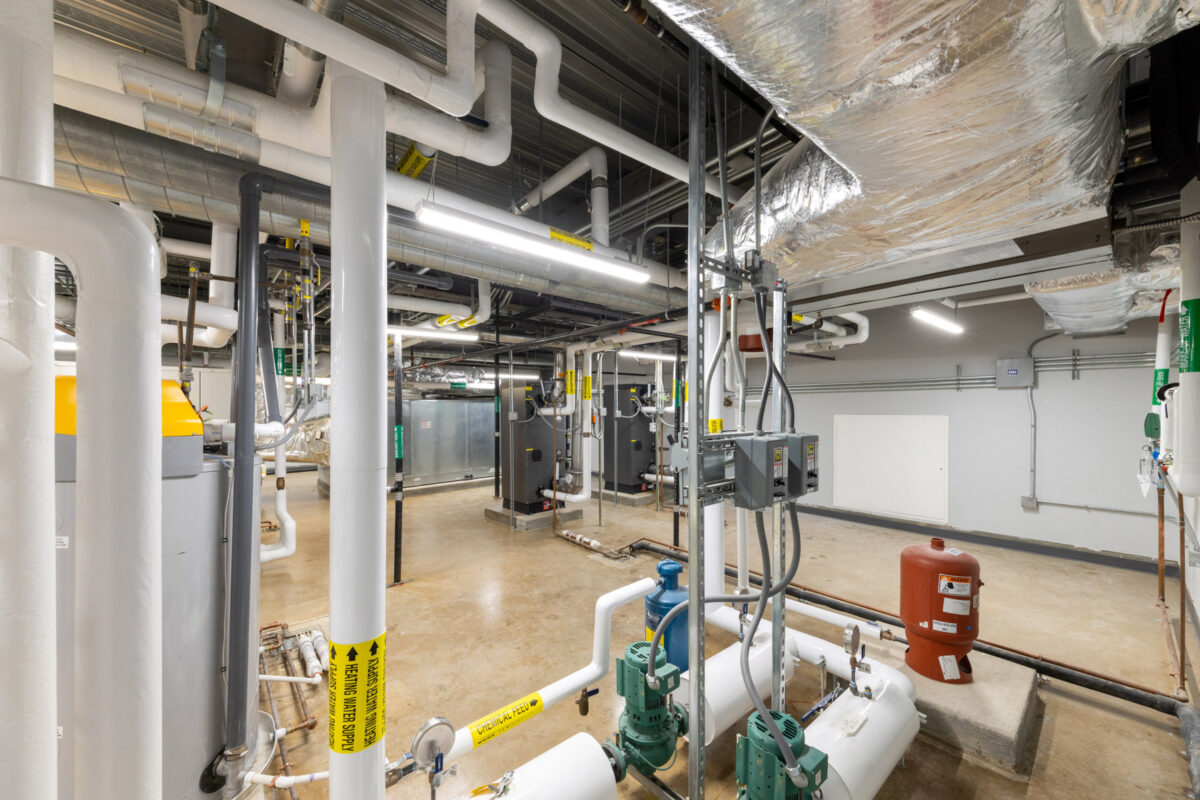
To achieve this extended resilience, engineers upgraded and implemented redundant data, telecommunications, mechanical, electrical and plumbing infrastructure across all the EOC’s critical systems.
“Designing an emergency operations center of this scale requires a deep understanding of resilient infrastructure, system redundancy and continuity of operations,” said Aleksandar Milenkov, PE, LEED AP, President of KAI Engineering. “Our engineering team developed MEP systems that allow the facility to operate independently for at least five days, with critical backup power, water storage, wastewater management and building support systems designed to keep emergency response operations functioning without interruption.”
Because a portion of the facility was not subject to stringent storm shelter requirements, KAI developed specialized engineering solutions to accommodate those areas, including isolation valves capable of shutting off utility service to the nonrated portion of the building during emergency conditions.
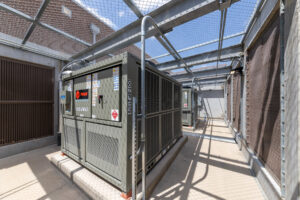
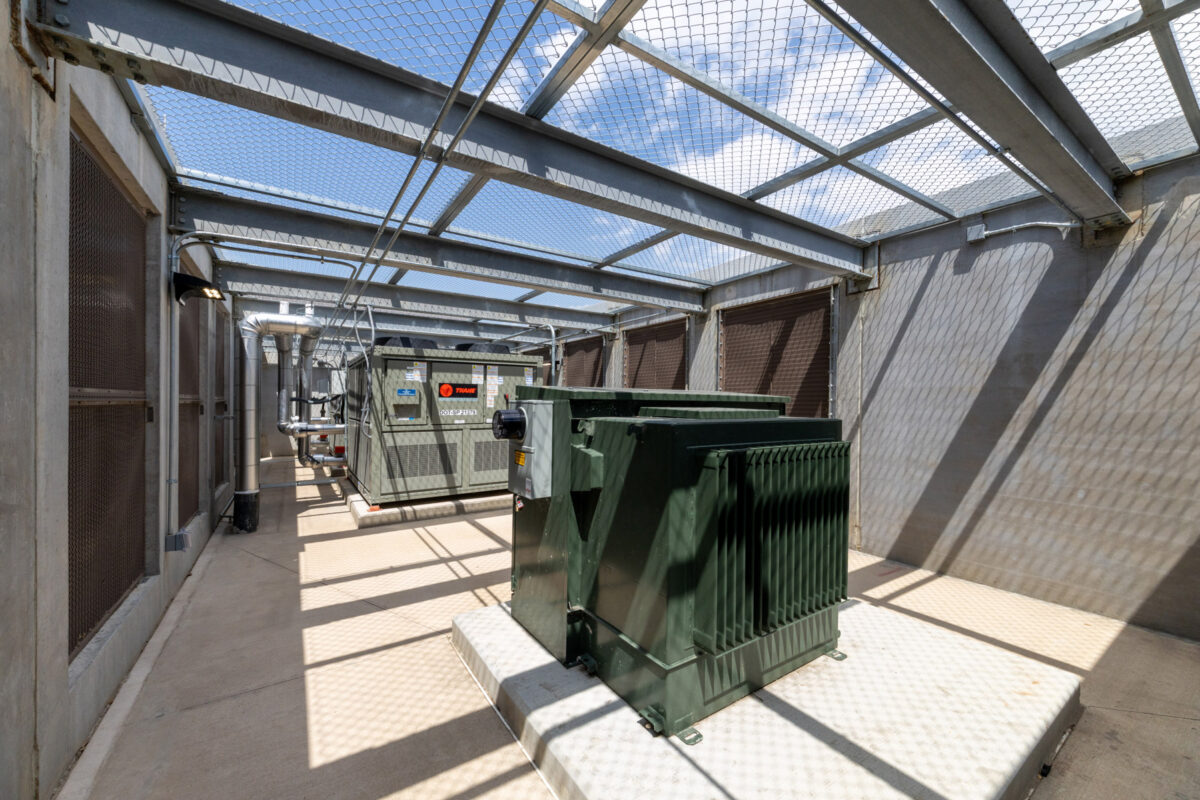
Dallas County required the building’s chillers to be located outdoors with protective measures. KAI designed storm-rated protection for the equipment yard and backup generators that met the county’s operational objectives.
“Because air-cooled chillers require unobstructed airflow, they could not be fully enclosed,” said Milenkov. “Working closely with the client, we implemented redundant heating and cooling systems within the covered, storm-rated equipment yard to ensure continuity of critical services while maintaining compliance with storm protection requirements.”
The site for the new facility was also modified and expanded to accommodate approximately 250 vehicles, including a combination of unsecured public and media parking and secured parking for elected officials, EOC staff and other public officials.
Azteca-Omega Group was the general contractor on the 18-month construction project, with Kaizen Development Partners as the developer, and CBRE and McKissack & McKissack serving as the owner’s representatives.